CHRONOBIOLOGY
This site is dedicated to the history, findings and advancements of Chronobiology.
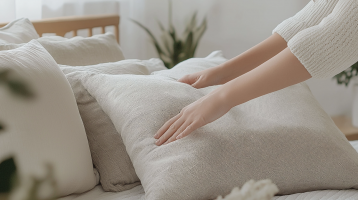
First, Let Your Bed Air Out: What's Important for Sleep and Your Internal Clock in the Morning
No sooner has the alarm clock stopped ringing than, for many people, the morning routine b... Read More
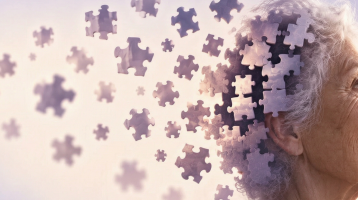
Alzheimer's Research: How Overactive Immune Cells Rob Us of Sleep – And Why the Problem May Be Reversible
U.S. researchers were able to restore more than two hours of sleep per day in mice with Al... Read More
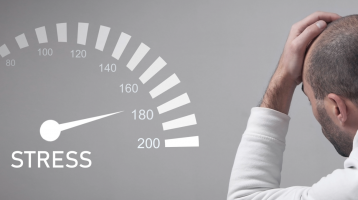
Stress Resilience Starts in Everyday Life: How Sleep, Diet, and Our Internal Clock Influence Our Mental Flexibility
Why are some people able to keep a clear head even in difficult situations, while others l... Read More
RHYTHM OF LIFE
| 1 a.m. | Dream time |
| 2 a.m. | All systems in regeneration mode except liver and skin |
| 3 a.m. | Intensive sleep phase |
| 4 a.m. | Lungs most active |
| 5 a.m. | Kidney function at lowest point |
| 6 a.m. | The body's systems awaken |
| 7-9 a.m. | Hormones at their peak |
| 8-9 a.m. | Highest pain threshold |
| 10 a.m. - 12 noon | Fully fit and wide awake, brain most efficient |
| 12 noon | Time to eat digestion in top gear |
| 1-2 p.m. | Afternoon low, time for a nap |
| 3-4 p.m. | New upswing:phase of learning & logn term memory |
| 5-6 p.m. | Second peak, best time for manual work |
| 6-9 p.m. | Regeneration and relaxation, optimal sense of smell and taste |
| 9 p.m. | Stomach rests - time to stop eating |
| 11 p.m. | Time for bed |
| 11 p.m - 1 a.m. | Creativity at its peak |
ABOUT CHRONOBIOLOGY
This website is dedicated to the history, findings and advancements of Chronobiology.
Chronobiology is a field of biology that studies how our body’s natural cycles—mental, physical and emotional—are affected by solar and lunar rhythms. For example, the circadian rhythm, a 24-hour cycle of physiological processes that happen throughout the human body, is a vital cycle in the study of chronobiology.
When these processes break down, or abnormalities occur in the human body, it’s the study of chronobiology that could be the solution.